
Ontario road signs and what they mean
103 signs from the MTO Driver’s Handbook, each with what it means. If you saw a sign and don’t know its name, describe it below or pick its shape and colour further down.
How to read a sign
Read a sign the way it is built. The shape comes first because you can see it from the farthest away, then the colour, then the symbol.
| Shape | |||
|---|---|---|---|
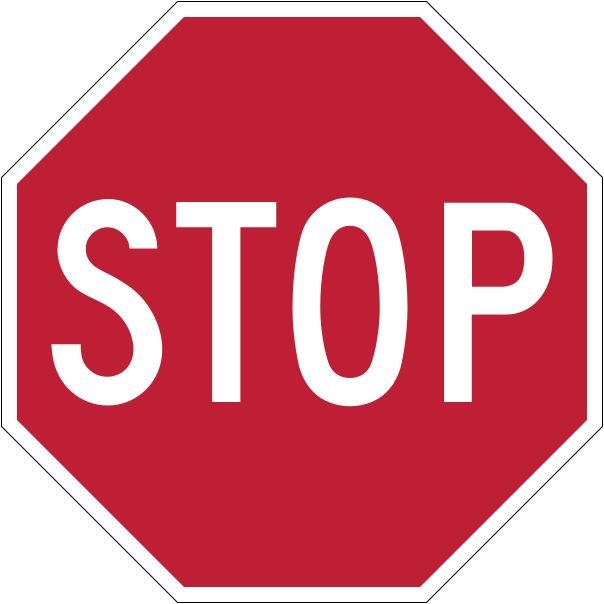 | Eight sides | Always a stop sign. | |
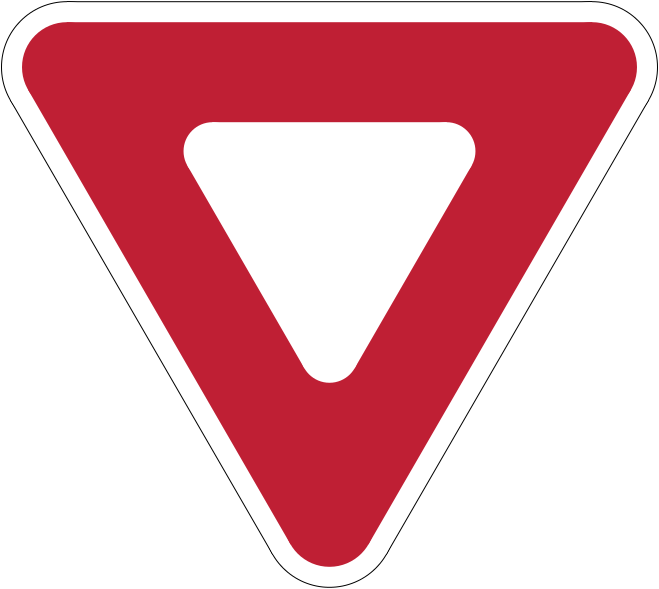 | Triangle | Pointing down, always yield. Pointing up, on the back of a vehicle, a slow-moving vehicle. | |
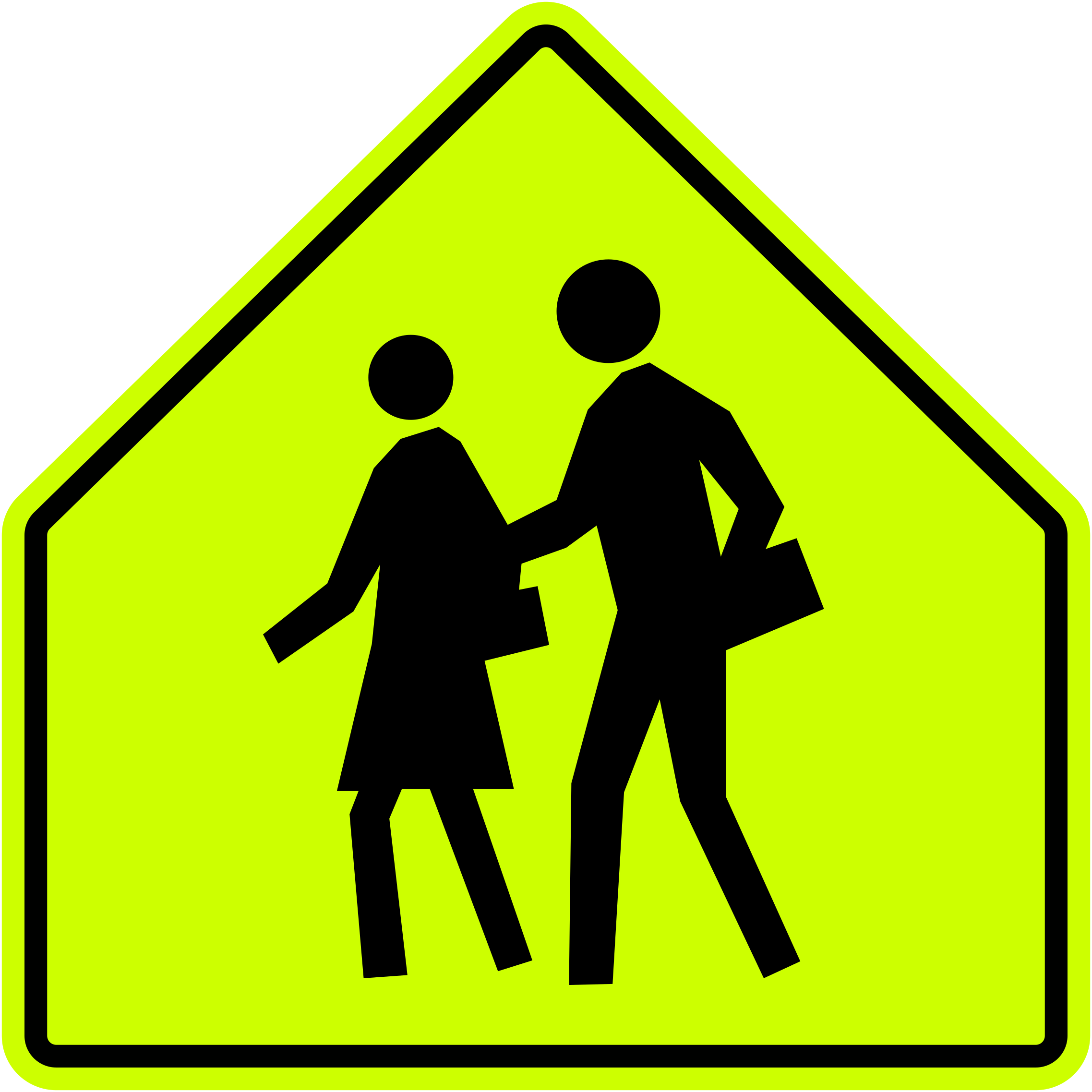 | Five sides | Always a school zone. | |
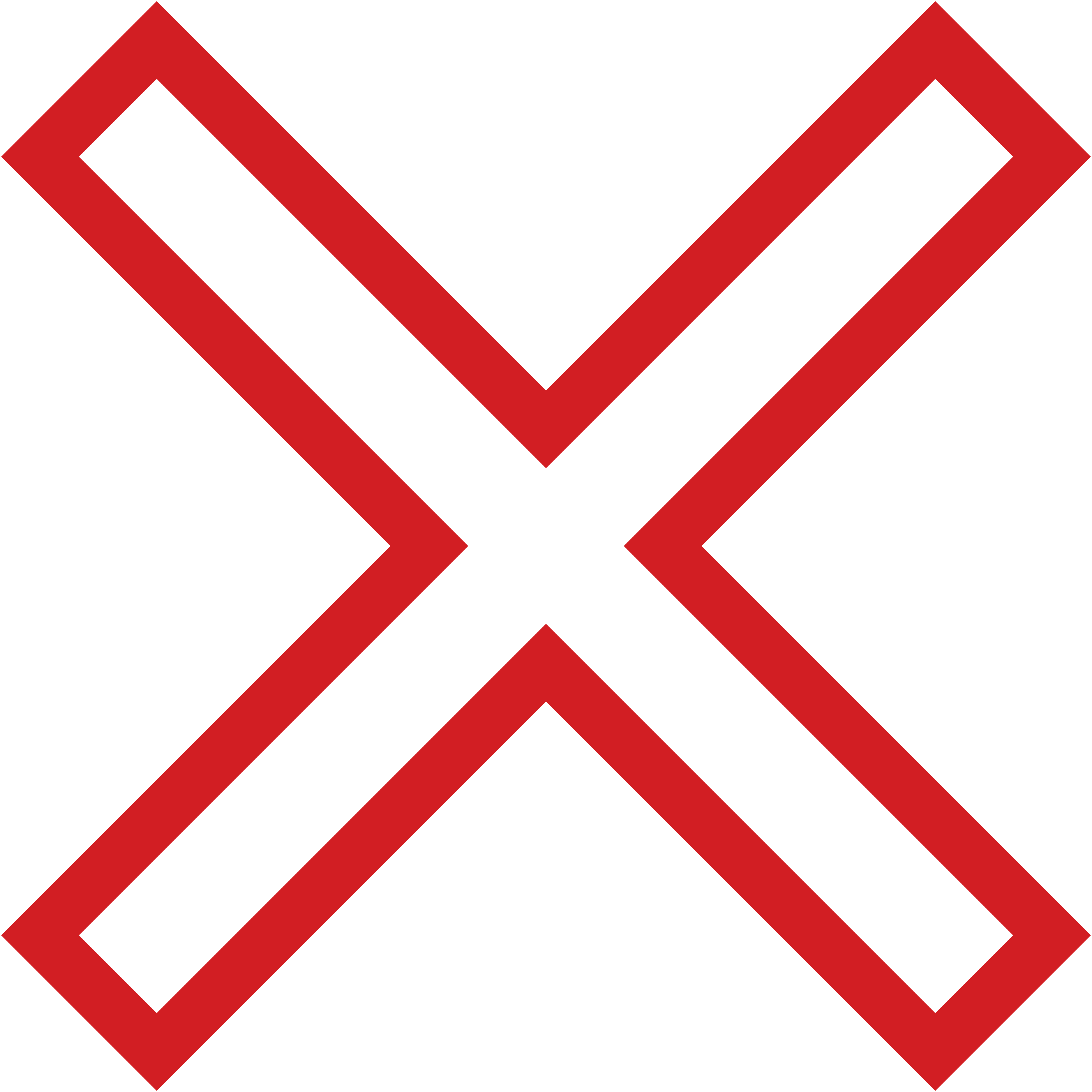 | An X | Always a railway crossing. | |
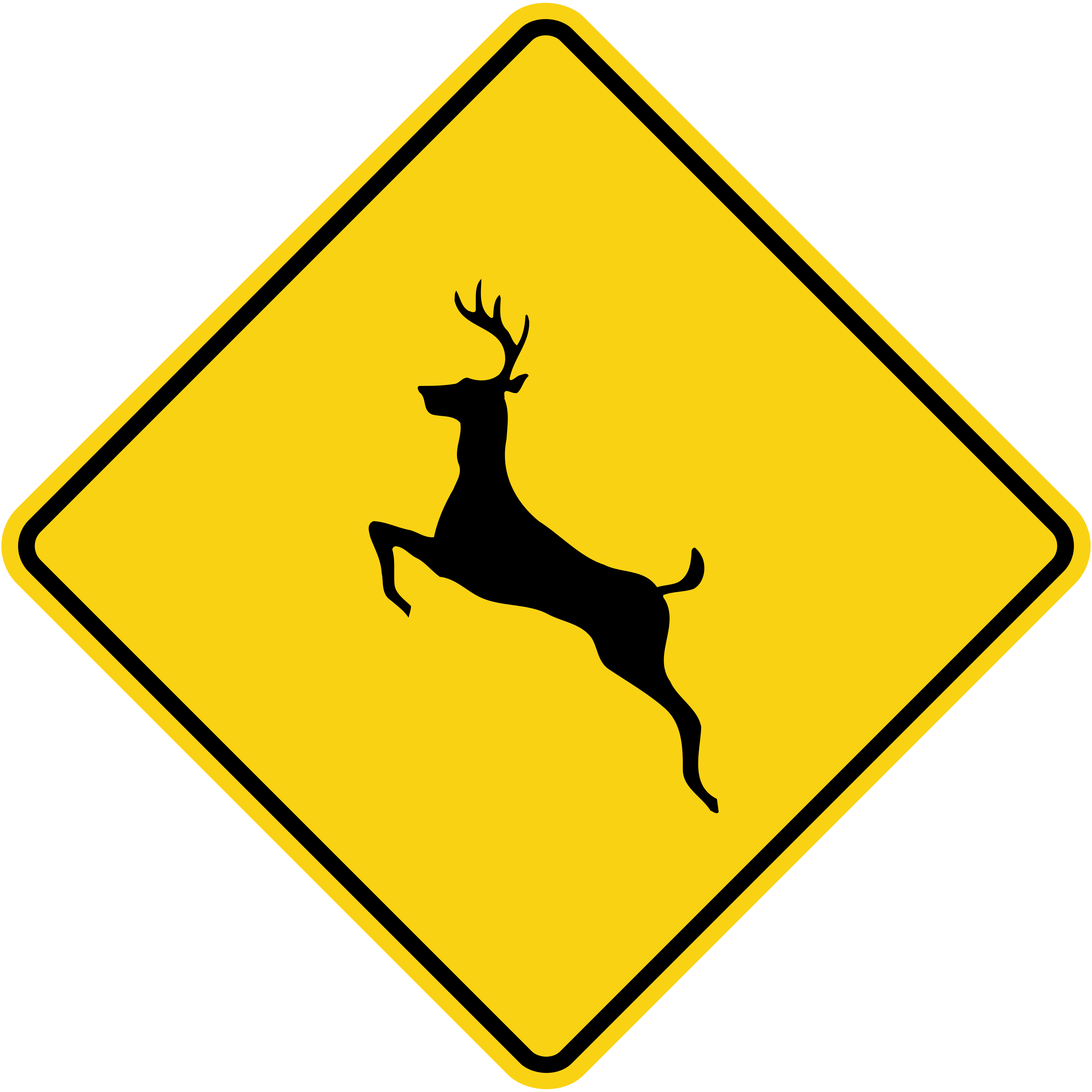
| Diamond | A warning about something ahead. | |
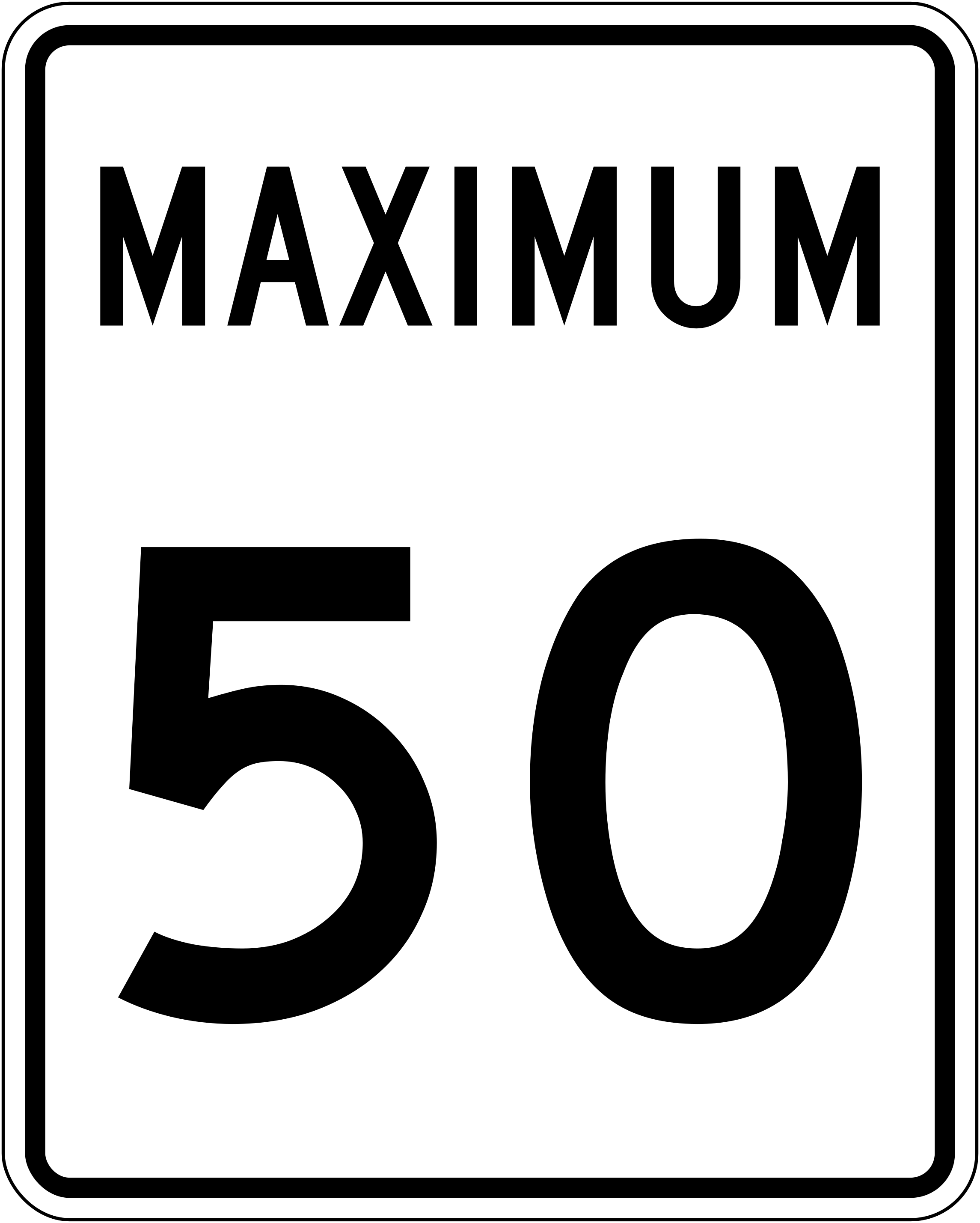 | Rectangle or square | A rule to obey, or directions and information. | |
| Colour | |||
| Red | Stop, yield, or not allowed. | ||
| White | A rule you must obey. | ||
| Black | Also a rule, usually about which way traffic moves. | ||
| Yellow | A hazard or a change ahead. | ||
| Orange | Road work, or another temporary change. | ||
| Green | Directions, or something you may do. | ||
| Fluorescent yellow-green | Schools and school crossings. | ||
| Blue | Accessible parking and facilities. | ||
| Symbol | |||
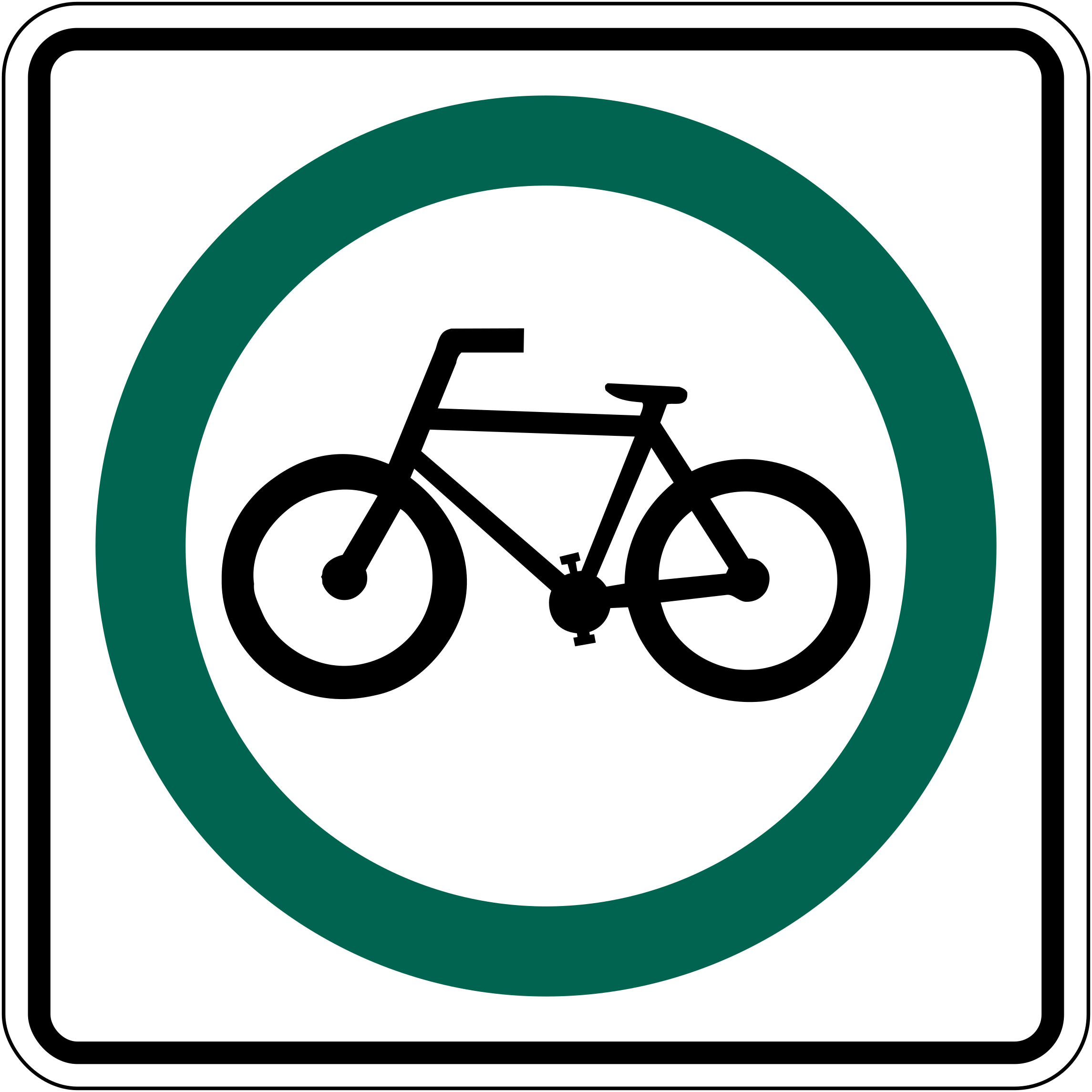 | A green circle | You may, or must, do what is shown inside it. | |
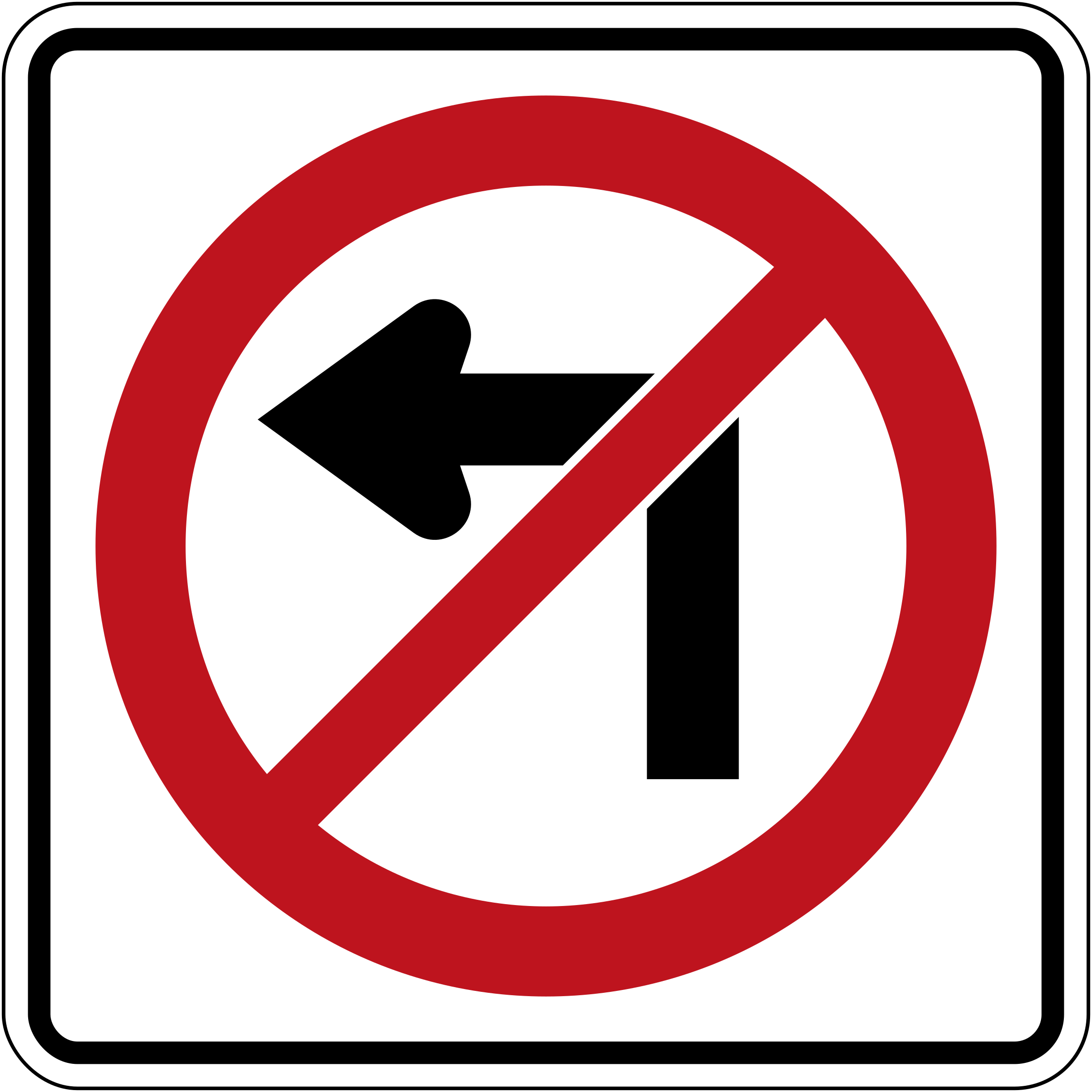 | A red circle and line | What is shown inside it is not allowed. | |
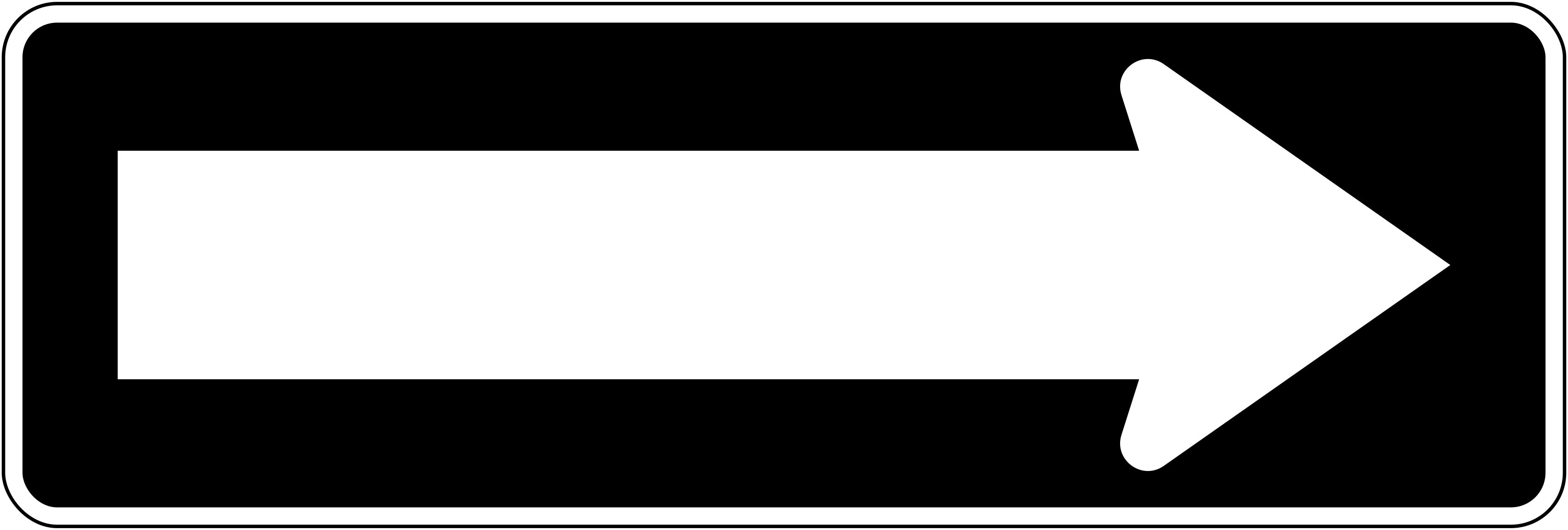 | An arrow | The way you must go, or the ways you may go. | |
The signs people get wrong most
From our own data, these are the signs people get wrong most on our G1 practice test.
These are answers to our free practice test, not official DriveTest results. Tap a row to see the sign and try its question.
Find a sign by what it looks like
Pick the shape and colour you remember, or type what was on it. Each sign shows its code from the Ontario Traffic Manual, the government’s own book of sign designs.
Signs you know by their shape
4Four signs have a shape no other sign uses, so you can tell what they mean before you can read them.
Regulatory signs
34These give an order you must obey. Most are rectangles or squares with a white or black background. A green circle means you may or must do what is shown inside it. A red circle with a line through it means the thing shown is not allowed.
Warning signs
40These warn you about dangerous or unusual conditions ahead, such as a curve, a hill or a side road. Most are yellow diamonds with black symbols.
Temporary condition signs
12These mark road work, lane closures, detours and people directing traffic. Most are orange diamonds with black symbols. In a designated construction zone, speeding fines double when workers are present.
Information and direction signs
9These tell you about destinations, distances and facilities. Most are green rectangles with white letters. Other colours point you to services and attractions.
Other signs
4Signs you will see on vehicles, on detour routes and in bilingual areas.
Try three questions from our G1 test
Real sign questions from our free G1 practice test, picked at random. On the G1, 20 of the 40 questions are signs and you need 16 of those right.
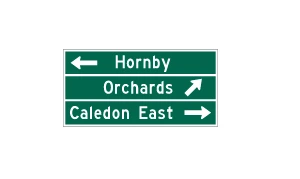
What kind of sign is this and what is it telling you?
Questions about Ontario road signs
How many G1 questions are about road signs?
Half of them. The test has 40 questions: 20 on road signs and 20 on rules of the road. You need at least 16 right in each section, and a strong score in one does not make up for the other.
What do the shapes of Ontario road signs mean?
Eight sides is always a stop sign and a triangle pointing down is always yield. Five sides marks a school zone and an X marks a railway crossing. Diamonds warn you about something ahead, and rectangles give a rule or information.
What do the colours mean?
Red means stop, yield or not allowed. Yellow warns of something ahead and orange means road work. Green gives directions, or inside a circle shows something you may do. White or black signs give rules you must obey, and school signs are fluorescent yellow-green.
What are the codes under each sign?
They are the sign’s number in the Ontario Traffic Manual, the government’s book of sign designs. R is for regulatory signs, W for warning, TC for temporary conditions and G for guide signs. You do not need to know them for the G1.
Where can I read the official handbook?
The Official MTO Driver’s Handbook is free to read on ontario.ca. Its signs chapter is the source for every meaning on this page, written here in our own words.
Meanings follow the signs chapter of the Official MTO Driver’s Handbook, written in our own words. Sign artwork is the official Ontario and Canadian sign designs from Wikimedia Commons, plus a few photos of real signs. A few handbook signs are left out because we do not have a true copy of their artwork. Cropped from Wikimedia Commons: the bus decal by Elise240SX (CC BY-SA 4.0) and the highway message board by Benson Kua (CC BY-SA 2.0).

